

Does McDonalds Root Beer Have Caffeine Answered
McDonald's U.S. nutrition pages list Barq's Root Beer as 0 caffeine in small, medium, and large servings. In those same U.S. listings, a small has 170 calories and 44 g sugar, a medium has 240 calories and 62 g sugar, and a large has 320 calories and 83 g sugar.
That sounds simple until the drive-thru question gets more specific. A customer who wants root beer late at night may only care whether it could affect sleep, while a parent may just want to know if it's a safer soda choice for a child who's sensitive to caffeine. The confusing part is that McDonald's root beer is not one identical drink everywhere.
A location in the United States may show a caffeine-free Barq's on its nutrition page. A location in another country may use a different setup, a different ingredient list, or a different fountain system. That's why so many online answers feel incomplete. They treat the brand name as the whole answer, when the cup at the counter can depend on where the order is placed.
Table of Contents
- Introduction Does McDonalds Root Beer Have Caffeine
- What Root Beer Is and Why It Is Usually Caffeine Free
- What McDonalds Lists for Barqs Root Beer by Size
- Why the Answer Can Change by Country and Fountain System
- How Root Beer Compares to Other Caffeinated Drinks
- How to Verify Caffeine and Choose the Right Drink for You
Introduction Does McDonalds Root Beer Have Caffeine
A late-night McDonald's order is where this question usually becomes practical. Someone skips cola because dark sodas often contain caffeine, sees root beer on the menu, and assumes the answer should be obvious. It isn't.
For a typical U.S. McDonald's listing, the answer is no. The menu nutrition information for Barq's Root Beer shows 0 caffeine across the listed sizes, which makes it one of the simpler soda choices for customers who are avoiding stimulants in that setting.
The confusion starts because people often mix up three different questions:
- What does root beer usually contain
- What does the Barq's brand sometimes contain
- What is this specific McDonald's fountain pouring today
A yes-or-no answer only works if the restaurant, country, and fountain setup are the same. They often aren't.
That distinction matters most for people who are watching caffeine closely, including those who are sensitive to it, trying to protect sleep, or choosing drinks for kids. It also matters for anyone who has heard that Barq's can contain caffeine and doesn't know how that fits with McDonald's U.S. nutrition pages showing zero.
What Root Beer Is and Why It Is Usually Caffeine Free
Root beer often gets grouped with cola because both are dark, sweet, and fizzy. That shortcut causes a lot of wrong assumptions. Color doesn't tell someone whether a soda has caffeine.
Root beer is better understood as a flavor family, not a stimulant category. Cola is commonly associated with a recipe style that often includes caffeine. Root beer is a different style, with a taste profile people usually describe as spiced, creamy, or herbal. In practical terms, it's more like judging a tea by the label than by the cup color.
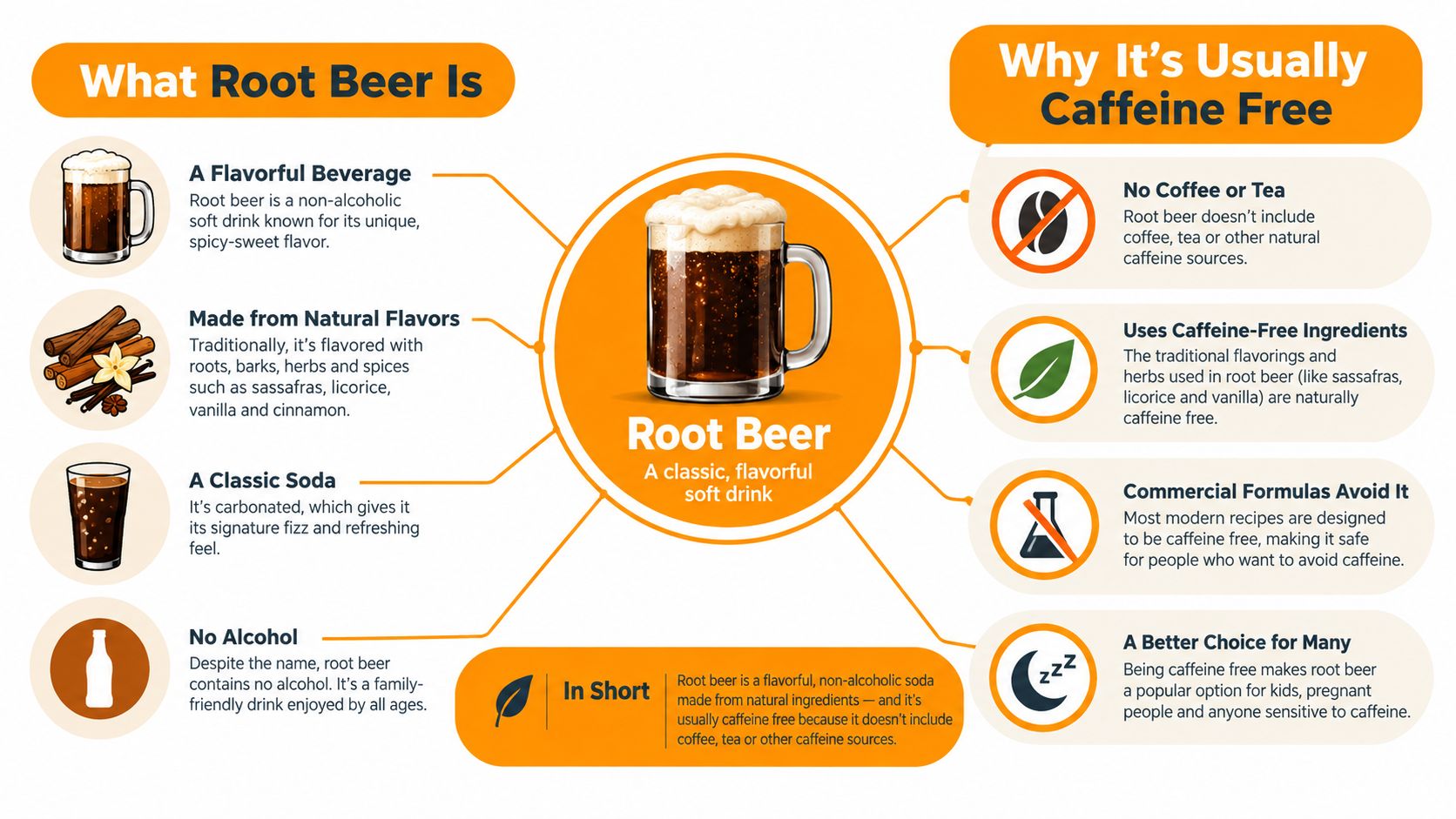
Why people assume all dark sodas have caffeine
The simplest mental model is this:
- Cola-style drinks often contain caffeine.
- Lemon-lime sodas are often caffeine-free.
- Root beer is usually caffeine-free in North America, but brand exceptions exist.
A Healthline review of whether root beer has caffeine notes that most root beer varieties sold in North America do not contain caffeine, while some brands differ. That broad pattern helps explain why many people expect root beer to be a caffeine-free option, and why the occasional exception creates so much confusion.
What this means at the counter
A shopper trying to reduce stimulant intake doesn't need to memorize soda history. The practical lesson is simpler. Don't use the soda's color as the test. Use the product listing or ingredient information.
For readers who want options for alertness without relying on caffeine, sustained energy without caffeine explained simply offers a useful overview of that approach.
What McDonalds Lists for Barqs Root Beer by Size
For the core question, the clearest place to look is the U.S. nutrition listing for McDonald's Barq's Root Beer. In that listing, the caffeine value is shown as 0 for the standard sizes, while calories and sugar rise with the larger cup size. The official product page can be checked directly through McDonald's U.S. Barq's Root Beer nutrition listing.
McDonalds Barqs Root Beer Nutrition by Size US Listings
| Size | Caffeine | Calories and Sugar |
|---|---|---|
| Small | 0 caffeine | 170 calories, 44 g sugar |
| Medium | 0 caffeine | 240 calories, 62 g sugar |
| Large | 0 caffeine | 320 calories, 83 g sugar |
That table answers the search query Does McDonalds Root Beer have caffeine for the usual U.S. case. It's listed as caffeine-free in the sizes most customers will order.
Why the full nutrition line still matters
Some readers only want the caffeine number. That makes sense, but the other nutrition details matter too. A drink can be caffeine-free and still be something a person may want to limit for other reasons, especially if sugar intake is part of the decision.
A practical way to read the listing is to ask two separate questions:
-
Is there caffeine in this U.S. menu item?
No, the listed value is zero. -
Is this still a sweetened soda?
Yes, and the calories and sugar go up with each larger size.
Practical rule: A caffeine-free soda isn't automatically a low-impact choice. It simply answers one part of the decision.
That's especially helpful for someone ordering at night. If the concern is stimulation, the U.S. nutrition page gives reassurance. If the concern includes sugar or overall soda intake, the serving size still matters.
Why the Answer Can Change by Country and Fountain System
The simple answer breaks apart. McDonald's root beer is not a single universal product. The same menu label can point to different ingredient lists depending on the country and the beverage system in use.
McDonald's Canada adds a useful wrinkle. The company's ingredient information for Canada explicitly includes caffeine in Barq's Root Beer, which can be checked in McDonald's Canada ingredient listings. That means a person who learned “McDonald's root beer has no caffeine” from a U.S. source could get the wrong answer in Canada.
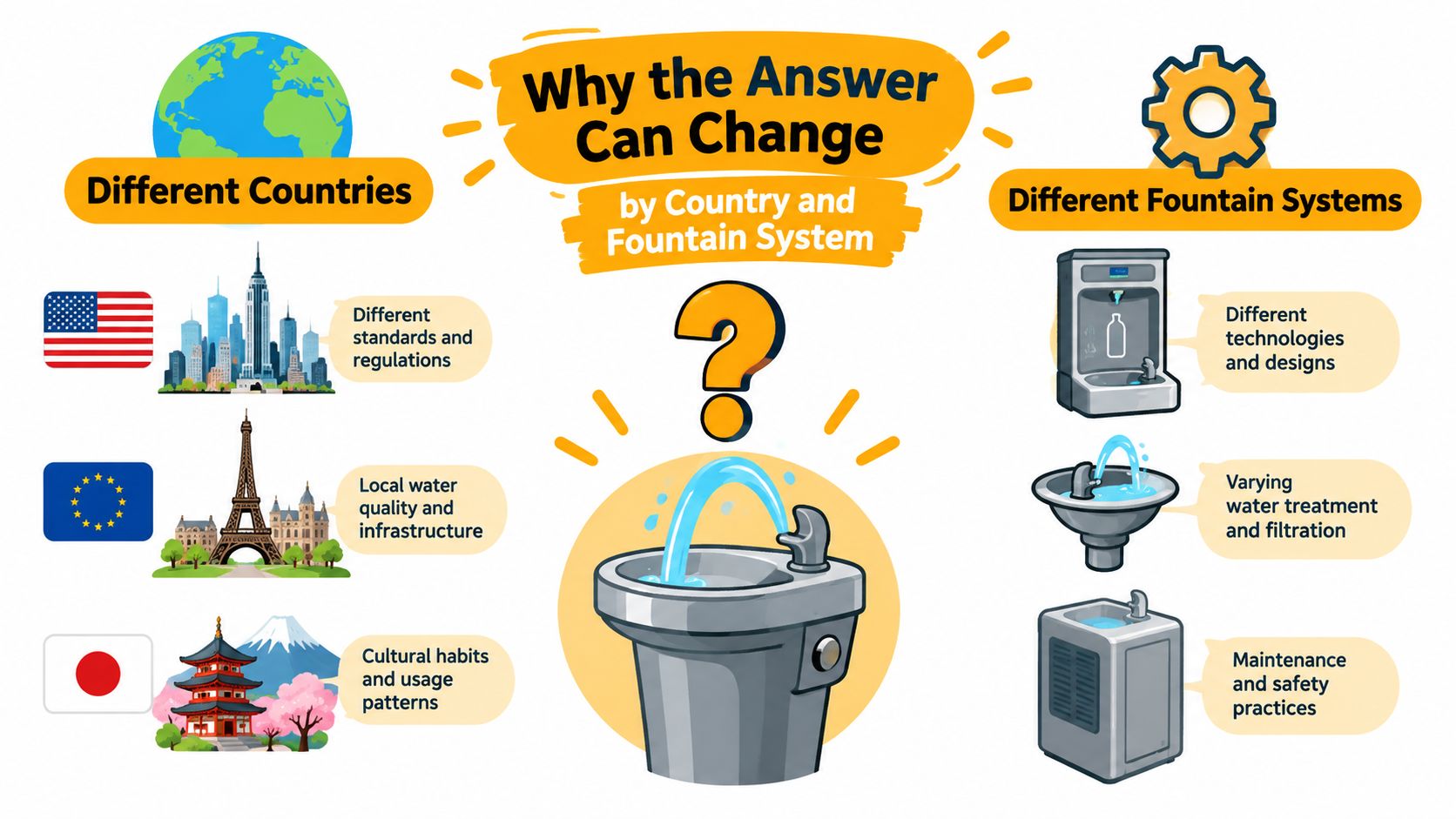
The part most articles miss
The confusion isn't only about country. It's also about what the machine is dispensing. Some setups may use a caffeine-free version, and some locations may use a different root beer product altogether. That's why a customer can see the same familiar brand name and still not get the same answer every time.
The label people remember and the drink poured into the cup may not be the same thing in every market.
That matters most for readers who can't treat caffeine as a minor detail.
- For sleep-sensitive customers, even a modest amount later in the day may matter.
- For pregnancy-related caution, customers usually want the most exact answer available, not a rough guess.
- For parents ordering for children, “root beer” can sound safe when the answer depends on the specific product.
What to ask instead of only asking yes or no
A better question at the counter is more specific:
- Which country's menu is this location following
- Is the root beer Barq's or another root beer
- Is this fountain setup dispensing a caffeine-free version
That's a more useful approach than assuming the brand name settles everything.
How Root Beer Compares to Other Caffeinated Drinks
A common question about root beer doesn't come up in isolation. People choosing between several drinks will find context helpful.
An independent beverage caffeine reference lists Barq's Root Beer at about 22.5 mg caffeine per 355 mL serving, which works out to roughly 6 mg per 100 mL in versions that do contain caffeine, according to this drink caffeine content reference PDF. That isn't high compared with coffee, but it isn't zero either.
Caffeine Comparison for Common Sodas and Root Beer
| Beverage | Serving Size | Caffeine Content |
|---|---|---|
| McDonald's U.S. Barq's Root Beer listing | Small, medium, large | 0 caffeine in listed U.S. sizes |
| Barq's Root Beer in independent caffeine reference | 355 mL | about 22.5 mg |
| Barq's Root Beer in independent caffeine reference | 100 mL | roughly 6 mg |
| Coffee | Similar cup sizes may vary widely | Often much higher than root beer |
| Lemon-lime soda | Varies by brand | Often caffeine-free |
| Cola | Varies by brand | Often contains caffeine |
Why small differences still matter
For a caffeine-tolerant adult, a low-caffeine root beer may not feel significant. For a sensitive person, the story is different. The effect isn't only about one drink. It's about what happens when that drink is combined with coffee, tea, chocolate, or another soda later in the day.
Someone comparing beverage choices in a workplace setting may also find it useful to understand how coffee options differ from one another. This guide on iced coffee vs cold brew for offices gives practical context for that comparison.
Readers who are trying to compare caffeine sources more broadly may also find coffee vs energy drink caffeine helpful, especially when the goal is to understand how different drinks stack up across a workday.
A root beer with some caffeine may still be a lower-caffeine choice than coffee. That doesn't make it caffeine-free.
How to Verify Caffeine and Choose the Right Drink for You
The fastest way to avoid surprises is to stop asking only, “Does McDonalds Root Beer have caffeine?” and start asking, “Which root beer does this location serve?” That wording gets closer to answer.
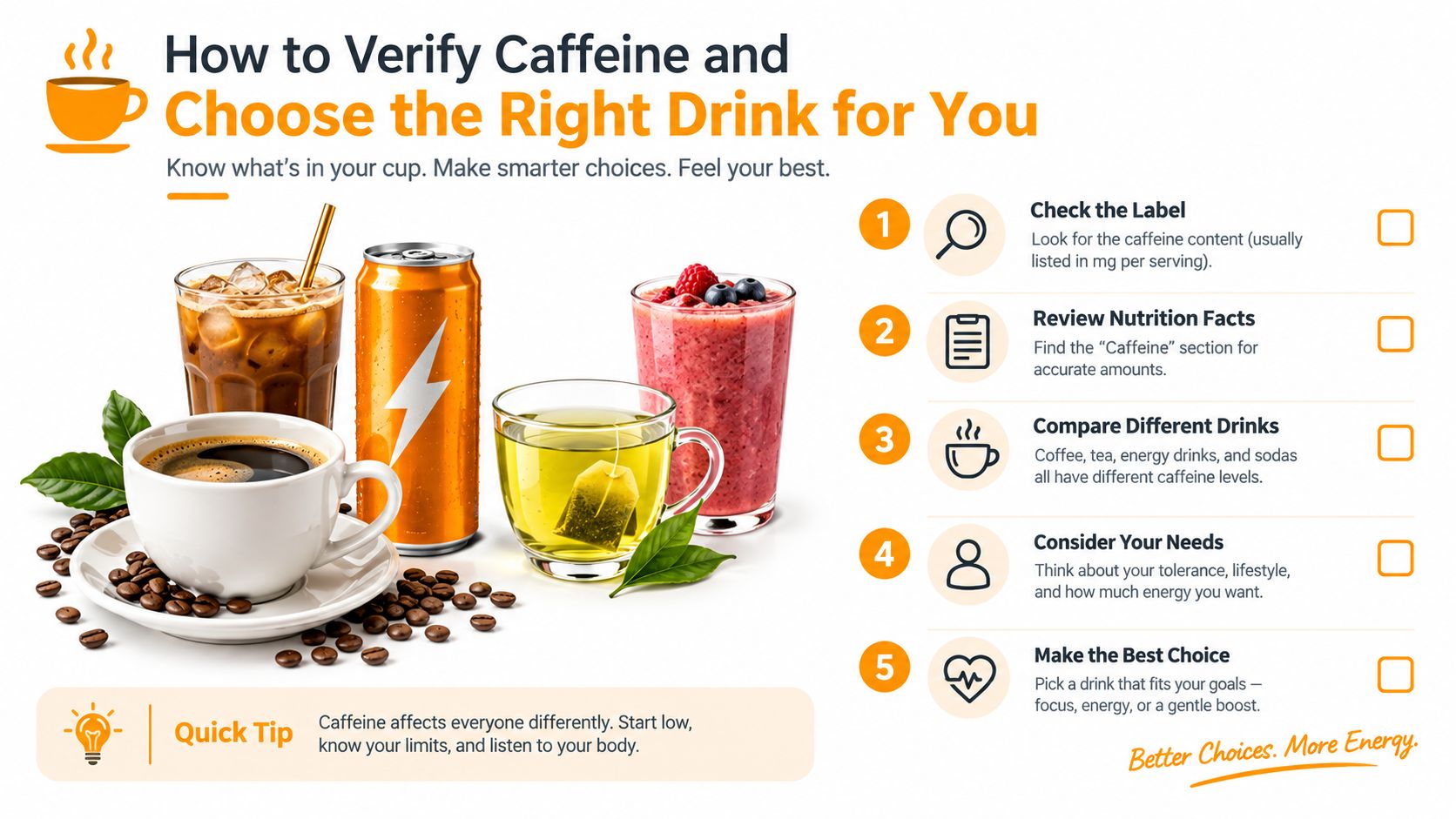
A quick counter checklist
- Check the menu listing: If the location uses app or in-store nutrition details, that's the first place to look.
- Ask the staff which root beer is on fountain: The brand name and fountain system matter.
- Ask whether it's the same as the listed nutrition page: That helps catch differences between posted information and what's being dispensed.
- Choose another caffeine-free soda if certainty matters: Lemon-lime options are often the simpler fallback.
- Watch the timing: A drink that seems mild at lunch may feel different late at night.
Best fit for different readers
A person avoiding caffeine for sleep usually wants the clearest zero-caffeine option available at that exact location. A parent may want the same certainty for a child. Someone who tracks total daily caffeine may also want to review broader guidance on caffeine daily limit before deciding how much flexibility is available.
For readers who want alertness without another soda or coffee, one non-drink option is Optimal Native, which offers nicotine-free oral pouches organized around morning energy, daytime focus, and evening wind-down. In this context, it's another format to consider when the goal is managing energy more intentionally rather than guessing what's in a fountain cup.
When caffeine sensitivity is part of the decision, the safest habit is verification, not assumption.
The bottom line is straightforward. In the United States, McDonald's nutrition pages list Barq's Root Beer as caffeine-free in the standard sizes. In other markets or fountain systems, the answer can change, so the smartest move is to confirm the exact product being served.
Optimal Native offers nicotine-free pouches designed for energy, focus, and evening recovery, which makes the brand relevant for readers who are trying to be more deliberate about stimulant intake. Anyone comparing caffeine-free and lower-caffeine routines can visit Optimal Native to explore those options in a format that isn't another soda or coffee.